 sign in


Nutrition
How To Pair Food For Best Nutrient Absorption
What you eat matters, but how you pair it matters even more. Transform simple meals into nutrient powerhouses.

India has a rich culinary tradition, yet iron deficiency, vitamin D deficiency, and poor calcium absorption remain common. A key reason is the reliance on supplements, expecting them to fill nutritional gaps instead of focusing on bioavailability, which is the body’s ability to absorb and utilise nutrients when foods are paired strategically, because some vitamins and minerals enhance each other’s uptake while others need components like fat or vitamin C to cross intestinal barriers. By combining foods wisely, you can boost absorption naturally and make everyday meals more effective for long-term health.
Related Story: 5 Factors That Make Women More Prone to Iron and Calcium Deficiency
Vitamin C + Iron (ideal for vegetarians and vegans)
Pairing: Lemon with spinach; amla with poha; tomatoes with rajma or chole.
Why it works: Indian diets rely heavily on non-heme iron from dals, spinach, millets, and legumes. Vitamin C converts non-heme iron into better absorbed ferrous form that the intestine can take up more efficiently.
What it does:
Boosts iron absorption
Helps prevent anaemia, especially in women
Supports immune function
Best time to have: Morning meals or lunch when digestive capacity is strong.
Helpful hack: Always squeeze lemon on palak, chole, rajma, methi thepla, or sprouts.

Healthy Fats + Fat-Soluble Vitamins (A, D, E & K)
Pairing: Ghee or mustard oil with leafy vegetables; peanuts with carrot sticks; avocado with paratha.
Why it works: Our meal preparations often use ghee, groundnut oil, or sesame oil, all excellent carriers for fat-soluble vitamins. Without fat, vitamins A, D, E, and K pass through the gut without absorption.
What it does:
Improves vision and skin health (vitamin A)
Supports bone strength (vitamin D & K)
Provides antioxidant protection (vitamin E)
Best time to have: Lunch or dinner are the ideal time for fat digestion.
Helpful hack: Add a teaspoon of ghee to dal-sabzi for better nutrient uptake.
Related Story: 10 Reasons to Add Ghee to Your Diet This Winter
Calcium + Vitamin D (critical for bone health in India)
Pairing: Curd with vitamin D supplements/fortified milk, paneer with egg or ragi porridge.
Why it works: Vitamin D facilitates calcium’s movement from the intestine into the bloodstream. Yet India has high rates of vitamin D deficiency despite ample sunlight, so large amounts of dietary calcium often go to waste because the body simply cannot absorb it well. This makes the pairing even more critical.
What it does:
Strengthens bones and teeth
Supports muscle function
May boost immunity
Best time to have: Short sunlight exposure between 8:30 AM and 10:30 AM when vitamin D synthesis is most effective.
Helpful hack: Ragi dosa + tadka curd/buttermilk = winning bone-strengthening combo.
Related Story: Ragi Buttermilk: The Perfect Balance of Taste and Wellness

Lycopene + Healthy Fats
Pairing: Tomato curry with mustard oil; okra with peanut oil; tomato soup with ghee tadka.
Why it works: Lycopene: an antioxidant present in tomatoes and watermelon is fat-soluble. It becomes more bioavailable when cooked with oil.
What it does:
Supports heart health
Reduces oxidative stress
Protects skin from ageing
Helpful hack: Tomatoes taste better and absorb better when cooked in oil, especially mustard or groundnut.
Related Story: Best and Worst Cooking Oils: How To Choose With Expert
India’s culinary heritage is already packed with powerful food synergies, and we just need to use them intentionally.
By combining the right foods, you can naturally boost nutrient absorption, reduce deficiencies, support immunity and improve energy levels. Small changes in your everyday meals can significantly increase nutrient bioavailability thta to without supplements.
Get a personalised diet plan created by experienced nutritionists to help you reach your health goals and make smarter food choices every day.
Related Services


EXPLORE MORE
.jpg)
Bright, tangy, and naturally refreshing, this orange chutney offers a burst of citrusy sweetness with a gentle hint of spice. It’s the perfect accompaniment to elevate daily meals with freshness and depth.
.jpg)
Fibremaxxing is everywhere on social media but is doubling down on fibre really the secret to better gut health, or can one overdo it?
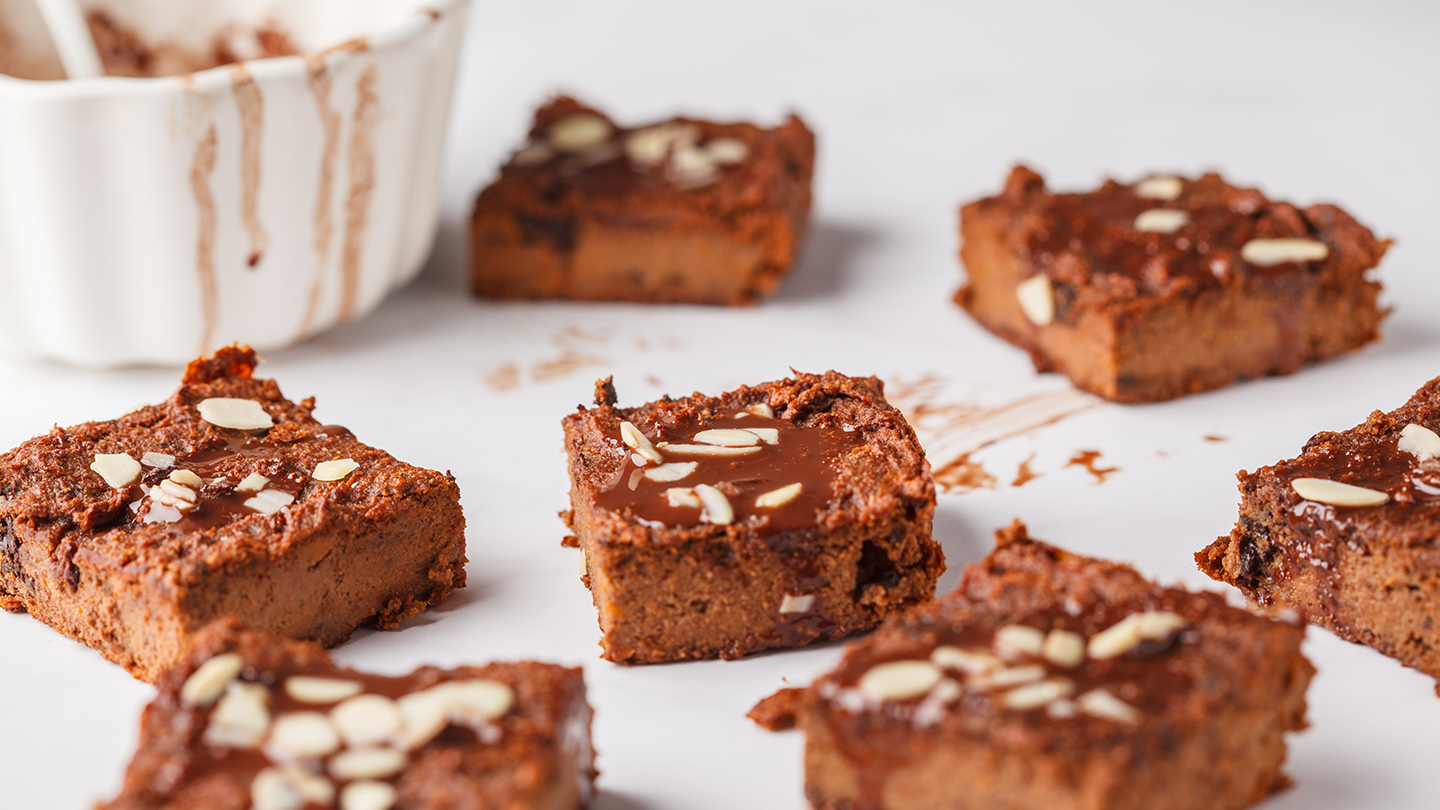
Fudgy, rich, and naturally nutrient-packed, these sweet potato brownies offer deep chocolate flavour with wholesome ingredients that nourish as much as they satisfy.
.jpg)
A practical look at what to eat before and after exercise when insulin is part of your daily routine.
