 sign in


Miscellaneous
Daily Triggers Causing Constipation (And It’s Not Just Fibre or Water)
You’re doing the obvious stuff right, but still feeling blocked, bloated, or sluggish? These overlooked habits and biological switches could be silently slowing your gut.
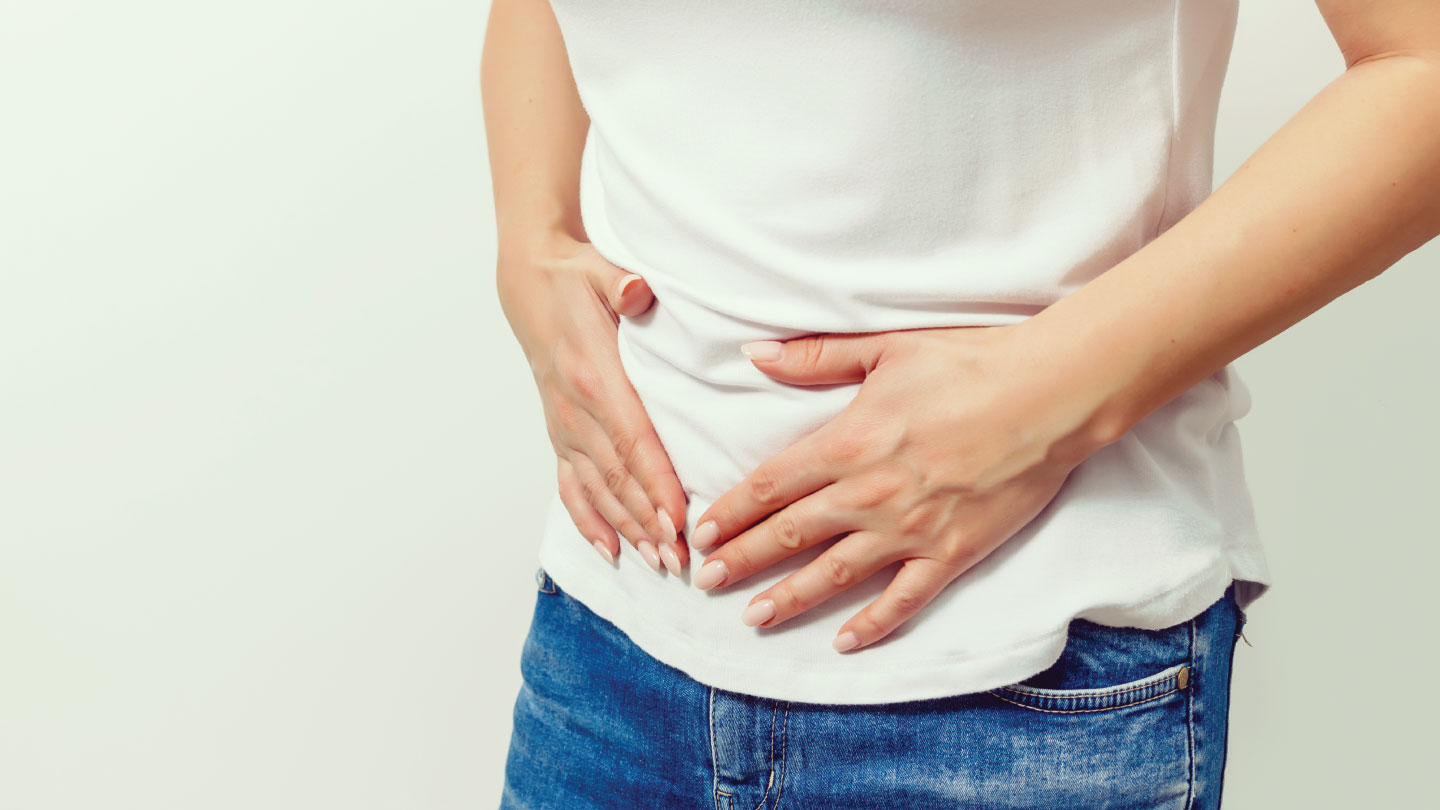
Constipation affects millions, yet most of us only blame the classics: poor diet, low fibre, or not enough water. In reality, stool issues often stem from deeper disruptors that alter colon (large intestine) water absorption, muscle coordination, or gut transit time. When waste moves slowly, the colon reabsorbs excess water—making the stool dry and difficult to pass. Let’s uncover the stealthy culprits we rarely talk about.
1. The ‘healthy’ iron you take daily: Iron supplements are important for many, but they can slow gut movement.
Why: Iron commonly binds with sulphur in the gut and forms compounds that reduce motility. It can also mildly irritate the intestine, causing uncoordinated spasms that lead to hard stools. Having iron with Vitamin C helps improve absorption, so less reaches the lower gut to cause sluggishness.
Related Story: Eat This, Not That: Foods That Help With Constipation
2. Antacids that calm more than your acid: Some antacids contain calcium or aluminium which can slow bowel contractions.
Why: These minerals neutralise acid, but also reduce muscle contractions in the bowel. Fewer digestive waves = slower movement = dry, dense, hard-to-pass stool.
Actionable tips:
- Pair reflux care with motility-supporting foods like oats, veggies, chia, or psyllium in other meals.
- Stick to doctor-approved, low-constipation antacid options if you need daily relief.
3. Allergy tablets drying you out from within: Certain antihistamines can reduce secretions in the body, including the gut.
Why: They don’t just dry your nose, they also reduce gut lubrication, making stool passage harder.
Actionable tips:
- Eat gut-hydrating foods like soups and water-rich vegetables later in the day.
- Include high-fluid fruits like watermelon, papaya, grapes, oranges.
Related Story: Gut-Friendly: Lauki & Moong Dal Soup
4. Your morning caffeine ritual (yes, even coffee): Caffeine can trigger urination before bowel movement in some people.
Why: If fluids lost in the morning aren’t replaced quickly, your colon pulls more water from waste later—drying the stool.
Actionable tips:
- Have 1 glass of water right after coffee.
- Keep breakfast rich in soluble + insoluble fibre.
5. Erratic sleep = erratic gut rhythm: Your gut follows a daily clock just like you do.
Why: Irregular sleep disrupts timed gut movements. When the sleep clock shifts, morning motility surges flattening bowel movement.
Actionable tips:
- Fix a consistent bedtime window.
- Avoid screens at least 60 mins before sleep.
Related Story: Tips To Catch Up On Poor Sleep
6. Processed convenience foods that lack ‘bulk chemistry’: Packaged foods are often low in the fibre that adds physical ‘bulk’ to stool.
Why: Without enough structural mass, the bowel has less to push against, slowing propulsion.
Actionable tips:
- Pick whole foods over ultra-processed options where you can.
- Add 1 natural source of insoluble fibre in your main meals (veggies, sprouts, millets).
7. Sitting all day weakens more than your posture: Too much sitting reduces core and pelvic-floor movement needed for bowel push.
Why: Gut movement needs abdominal and pelvic muscle coordination. Sitting long hours can blunt that mechanism.
Actionable tips:
- Take 2–3 stretch breaks in the day.
- Add small core-activating moves like heel raises or standing twists.
8. Low thyroid function masquerading as ‘just tired’: An underactive thyroid can slow the entire metabolism, including your gut.
Why: Symptoms like feeling cold, tired, and low energy often coexist with slow bowel transit and constipation.
Actionable tips:
- If signs persist, talk to a GP and get tested.
- Don’t self-diagnose, but don’t ignore patterns either.
9. Delaying the urge and blunting your body’s alerts: Ignoring bowel cues regularly trains the body to send weaker signals over time.
Why: This leads to incomplete emptying and longer waste retention.
Actionable tips:
- Never delay a nudge for more than 10 minutes.
- Make going on time a non-negotiable habit.
10. Invisible stress that hits the gut–brain axis: Chronic stress raises cortisol and slows ‘rest and digest’ mode.
Why: Stress shifts the brain to ‘fight or flight’, increasing liver glucose release but reducing gut motility.
Actionable tips:
- Eat meals away from desk or screens.
- Add 5–10 minutes of breathing or a quick walk daily.
Why it matters: Stress also adds to constipation by suppressing digestive motility when the brain prioritises survival mode.
Actionable tips:
- Plan 1 screen-free meal break daily.
- Add calming rituals like soft music or slow breathing after meals.
Why it matters: When under-recovered from exercise or life stress, inflammation + cortisol can still keep insulin sensitivity low and gut motility slower.
Why it matters: Planning light recovery days helps the body restore motility and metabolic balance, indirectly improving constipation.
Related Story: 7 Ways To Boost Post-Workout Muscle Recovery
Constipation isn’t always about what you eat, but how your body absorbs, signals, and moves waste. When triggers are hormonal, medicinal, sleep-related, or stress-driven, common fixes might not fully work. If blocked days feel too frequent, get personalised advice. We believe the right diet plan isn’t expensive; it’s tailored. Your gut deserves that. Talk to our expert dietician today to get a simple plan made for your routine and body.
EXPLORE MORE

Your pre-wedding radiance is built on daily choices. What you eat, how you rest, and the way you care for yourself. Here’s your glow-from-within list.

Want to support people with disabilities without overthinking every move? Here’s a guide that breaks allyship into simple, human, everyday actions.
.jpg)
Shoes on or off? What seems like a small choice is actually a global habit with health, hygiene, and cultural twists.
Health needs to be taken care of at every stage of life; let’s see what science really says about staying strong and well through every decade.
